Mississauga Construction Project Management company
Excelling at Construction Project Management: Key Strategies for Success
Excelling in construction project management encompasses understanding key principles and executing effective strategies. Thriving projects require transparent communication and effective team collaboration. Additionally, the right tools can improve performance and management. With various factors at play, including financial planning and risk mitigation, project managers must navigate challenges carefully. Examining these fundamental approaches reveals how to achieve superior outcomes while ensuring stakeholder satisfaction. What specific techniques can transform a project from ordinary to exceptional?
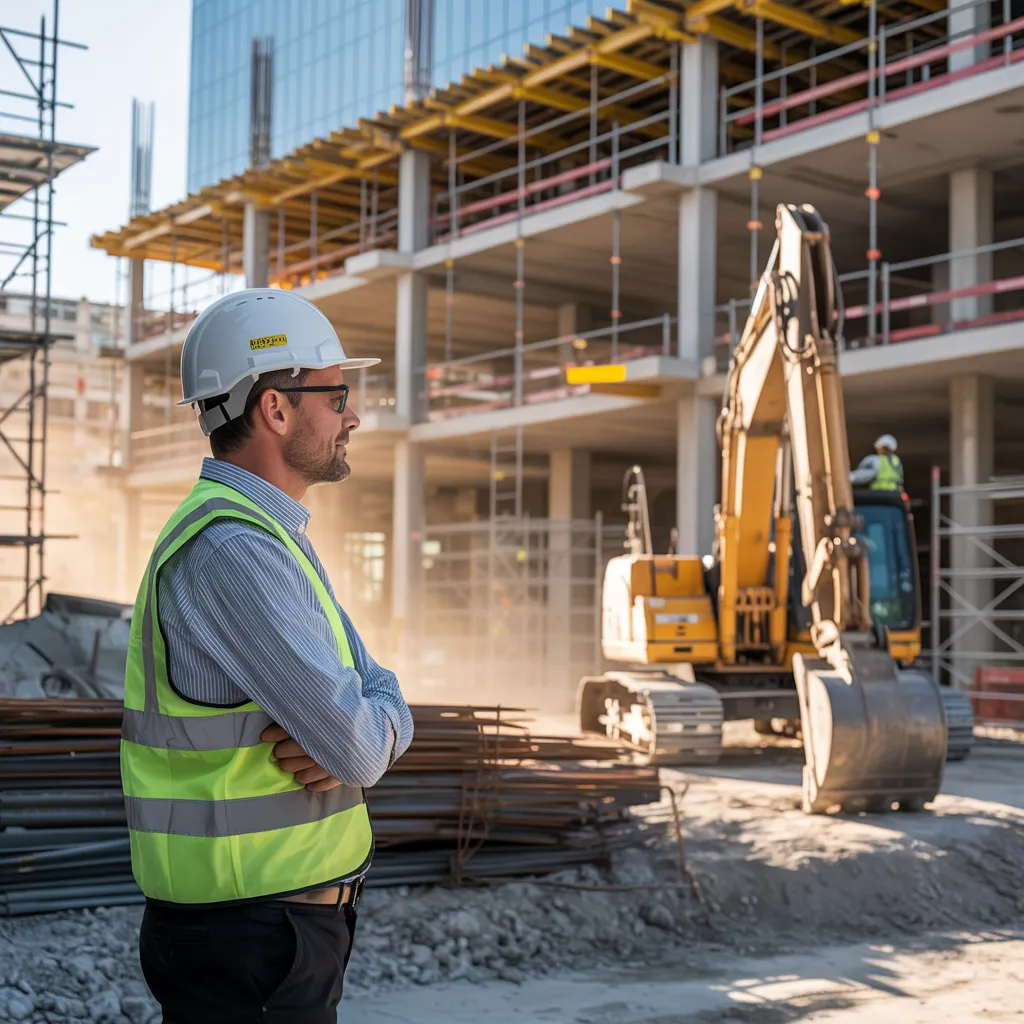
Key Principles of Construction Project Management
Successful construction project management depends on several key principles that underpin successful execution. Starting with the most important aspect, clear communication is essential; it guarantees all stakeholders are aligned on project goals, timelines, and responsibilities. Next, thorough planning and precise scheduling are indispensable, allowing for the identification of potential risks and resource allocation. Additionally, prudent budgeting regulates spending and ensures the project stays within its fiscal constraints, thus preventing cost overruns that may hinder advancement. Moreover, risk management involves anticipating challenges and devising strategies to mitigate them, guaranteeing more efficient and stable operations. Lastly, routine tracking and review of milestones allow for swift modifications, fostering accountability and transparency throughout the project lifecycle. By embracing these core practices, project managers in construction can boost performance and confirm that projects meet deadlines, stay within scope, and achieve the necessary quality benchmarks, thereby supporting the long-term success of construction initiatives.
Building a Collaborative Team Culture
Fostering a cohesive team atmosphere is essential for productive construction project management. Core aspects such as transparent communication pathways, trust, accountability, and team-building activities considerably boost team dynamics. By addressing these elements, project managers can establish an environment conducive to collaboration and efficiency.
Established Communication Channels
Open communication channels serve as the foundation of a collaborative team culture in managing construction projects. They support the effortless flow of information, ensuring that all team members are aligned with the project's objectives and deadlines. By promoting transparent communication, project managers are able to resolve issues quickly, enabling more efficient problem-solving and decision-making. Frequent progress reviews promote openness, allowing team members to share progress and challenges without hesitation. Furthermore, leveraging multiple communication platforms—like email correspondence, project tracking software, and direct meetings—boosts team involvement and connectivity. In the end, creating a space where team members can freely express their opinions not only strengthens relationships but also drives project success by drawing on a range of insights and specialized skills.
Trust and Accountability
Trust and accountability are central to a thriving team-oriented culture in managing construction projects. When there is mutual trust among team members, they tend to freely share ideas, express concerns, and assist one another in achieving project goals. Accountability ensures that each person takes ownership for the decisions and actions they make, cultivating a culture of ownership among team members. This dynamic encourages proactive problem-solving and aids in minimizing disputes, as team members feel confident sharing their opinions. Establishing clear roles and expectations deepens the sense of trust and accountability, allowing the team to function more efficiently. In the end, a culture built on these values not only enhances team collaboration but also produces improved project outcomes, creating a path toward lasting achievement.
Team Bonding Activities
Even though strong communication is fundamental for all teams, participating in carefully designed team-building exercises can significantly improve collaboration among construction project management teams. These activities foster trust, improve interpersonal relationships, and break down hierarchical barriers that can hinder productivity. By taking part in exercises that stimulate problem-solving and creative thinking, team members develop the ability to capitalize on each other's strengths, driving enhanced project outcomes. Moreover, team-building programs can raise morale and strengthen motivation, establishing a more harmonious work environment. Periodically arranged activities, whether held on-site or off-site, can underline the value of teamwork and common goals. Ultimately, investing in team-building contributes to a culture of collaboration, greatly impacting the success of construction projects.
Vital Tools for Construction Project Management
Successful construction project management depends greatly on a range of indispensable tools crafted to optimize operations and foster collaboration. Project management software is particularly notable among these, delivering functionalities including timeline planning, resource management, and progress monitoring. These solutions enable instant communication between team members, making certain all participants stay focused on project milestones.
Collaborative platforms, including cloud storage and document sharing applications, facilitate convenient access to project data, lowering the potential for misunderstandings. Furthermore, construction management apps deliver on-the-go access, allowing onsite teams see more to update progress and report issues immediately.
Additionally, estimation and budgeting software facilitates accurate financial forecasting, which is essential for maintaining financial control. Building Information Modeling (BIM) solutions also serve a significant function, empowering teams to examine projects through 3D visualization, boosting design reliability and limiting inaccuracies. Combined, these resources create a solid framework for efficient construction project management, producing favorable project achievements.
Managing Risks and Budgets Effectively
Managing risks and budgets in construction projects is essential for ensuring both financial stability and project success. Successful risk management requires recognizing potential uncertainties that may affect timelines, costs, or quality. This requires a proactive approach, including thorough assessments and the establishment of contingency plans. By anticipating risks, project managers can mitigate their effects, thereby safeguarding the project's objectives.
Simultaneously, upholding a strict financial plan is vital. This encompasses constant monitoring of expenses and resource distributions. Utilizing predictive methods can aid in forecasting financial needs and adjust plans accordingly. Regular reviews of both risks and budgets enable swift choices, confirming that undertakings stay on course and within budgetary limits. At its core, the combination of risk management and budget oversight promotes a resilient project environment, enabling teams to navigate challenges effectively and achieve their goals.
Proven Budgeting Strategies for Cost Management
Effective budgeting techniques are essential for maintaining cost control in construction projects. Accurate cost estimation lays the foundation for financial planning, while continuous expense tracking ensures that any discrepancies are quickly resolved. Together, these strategies help project managers maintain financial discipline throughout the project's lifecycle.
Exact Cost Estimation
Accurate cost estimation is a cornerstone of successful construction project management, impacting budget distribution and resource planning. The approach encompasses a comprehensive review of all project components, covering labor, materials, equipment, and associated overhead costs. By employing techniques such as historical data analysis, expert judgment, and parametric estimating, project managers are able to formulate dependable estimates that mirror real-world conditions. Additionally, incorporating contingency allowances for unforeseen expenses enhances the robustness of the budget. Leveraging software solutions can optimize the estimation process, enhancing accuracy and minimizing human error. Ultimately, reliable cost estimations allow stakeholders to make sound and informed decisions, align expectations, and guarantee financial resources are allocated effectively, consequently fostering project success and lowering the risk of exceeding budget limits.
Regular Cost Monitoring
Monitoring continuous costs is vital for maintaining financial stability in building projects. Sound budgeting practices include regular tracking of costs against the original budget. This approach allows project managers to spot variances at an early stage, enabling prompt remedial steps. Leveraging technology solutions can optimize this procedure, delivering up-to-date information on cost trends. Moreover, setting up a contingency fund serves to manage unexpected expenses without compromising the broader financial plan. Regular financial reviews with key stakeholders guarantee open communication and align expectations. By fostering a mindset of financial responsibility among project personnel, companies can enhance accountability and promote informed decision-making. In the end, consistent expense monitoring functions as a foundation for successful project completion, avoiding cost overruns and improving overall fiscal performance.
Evaluating Success: KPIs for Project Assessment
Assessing achievement in the field of construction project management copyrights on the creation of critical performance metrics (KPIs) that supply actionable intelligence regarding the progress and results of a project. These measures operate as critical benchmarks, empowering project managers to assess efficiency, quality, and stakeholder satisfaction. Frequently used KPIs encompass cost performance index (CPI), schedule performance index (SPI), and the overall project completion percentage.
By evaluating these measures on a consistent basis, teams are able to identify areas in need of enhancement and utilize data-driven insights to optimize performance. Furthermore, KPIs connected to safety metrics and workforce efficiency support a holistic view of project health.
Establishing well-defined KPIs from the beginning of the project guarantees alignment among stakeholders and establishes a structure for accountability. Periodically assessing these metrics promotes a forward-thinking approach, empowering teams to modify their plans as challenges arise. Overall, efficient KPI tracking is vital for attaining project objectives and guaranteeing successful outcomes in managing construction projects.
Commonly Asked Questions
How Can I Improve Communication With Stakeholders During a Project?
To optimize communication with stakeholders during a project, teams should maintain routine updates, employ straightforward and precise messaging, employ various communication tools, and routinely encourage feedback to foster engagement and transparency across all project phases.
What Certifications Should Construction Project Managers Pursue?
Key certifications that benefit construction project managers include PMP, CCM, and AC designations. Such credentials strengthen competencies, credibility, and career advancement, guaranteeing efficient project delivery and stakeholder satisfaction across the construction process.
How Do I Handle Conflicts Within the Project Team?
To address conflicts within the project group, one should foster open communication, carefully consider all perspectives, lead conversations to determine shared objectives, and inspire collaborative problem-solving to reach shared positive outcomes.
What Are the Best Practices for Vendor Selection?
Best practices for vendor selection include reviewing competencies, verifying references, reviewing cost proposals, reviewing historical performance, verifying consistency with project requirements, and encouraging clear communication. Comprehensive due diligence reduces risks and improves project outcomes.
How Can Technology Enhance Construction Project Management?
Technology revolutionizes the management of construction projects by simplifying communications, improving the accuracy of data, facilitating real-time collaboration, and systematizing workflows. This technological integration leads to greater efficiency, decreased expenses, and improved decision-making throughout the project lifecycle.